
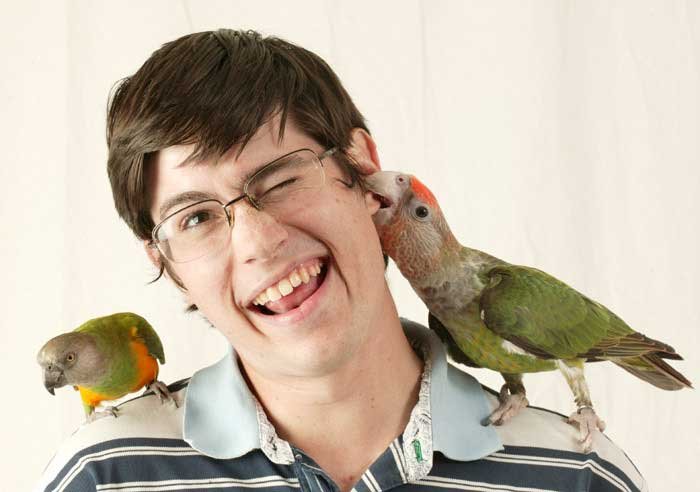
Why is My Parrot Biting Me All Of a Sudden
No matter how experienced you are with birds, a biting bird is upsetting. Birds bite for a variety of reasons. Here are several reasons why is my parrot biting me all of a sudden:
- Bird’s occasionally bite out of fear
- Bird’s bite to protect their territory
- Male birds may bite due to raging hormones
- Some bird’s bite when they are frustrated
- A sick bird might bite to get you to leave it alone
Most of these bird bites tend to be more of a “shotgun” like reaction and are not a sign that your bird is “mean.”
As a bird behaviorist, I can tell you that birds bite to either gain something that they desire or avoid something that they dislike or that scares them. We call this discovering what the function of the behavior is.
BOOK A CONSULTATION
Get to the root cause of the problem by doing a time study. Think about the five bullet points above. If a bird is biting out of fear it is trying to escape something that scares it. In this case, it would behoove you to try to understand what is scaring your bird and eliminate it so that your bird feels safe.
If you’re trying to tame a fearful bird consider using positive reinforcement. One of the easiest ways to learn how to use positive reinforcement with your bird is to get a book called Clicker Training For Birds. This book is invaluable in teaching you how to train your bird and it literally walks you through common challenging bird behaviors, like biting. However, if your bird bites due to raging hormones, you’d handle those kinds of bites differently.
If my bird were biting due to hormones, I’d review parrot husbandry environmental situations that bring on hormonal behavior and adjust my parrot care routines. Learn more about bird hormone management here. A bird that is biting due to being in pain or feeling sick is just trying to get you to leave it alone. Movement hurts.
We often forget that birds are wired to hide pain, illness, and injuries. You can find out if your bird is in pain by taking this assessment. It goes without saying that if your bird is biting because it’s in pain, you’d want to take it to the vet for treatment. Never give your bird human based pain medications, as this could be deadly. Below, I will discuss five training tips to prevent painful bird bites and start enjoying your pet more.
How to Stop a Parrot Bite?
Preventing bird bites in the first place is the best way to approach an aggressive bird. So, of course, the best thing that you can do for your bird is to try and figure out what is causing the biting in the first place.
To figure out what is causing the biting, it will help to do a time study. Time study is when you document several actual biting incidents and then you look back in time and try to figure out what triggered the bite and what your bird got out of biting. A time study helps you understand what the root cause of your birds biting is all about. This is actually the most effective way to end your bird’s biting problem. If you’re not sure how to go about doing a time study, think about booking a consultation with a bird behaviorist who can literally walk you through the process and guide you on next steps.
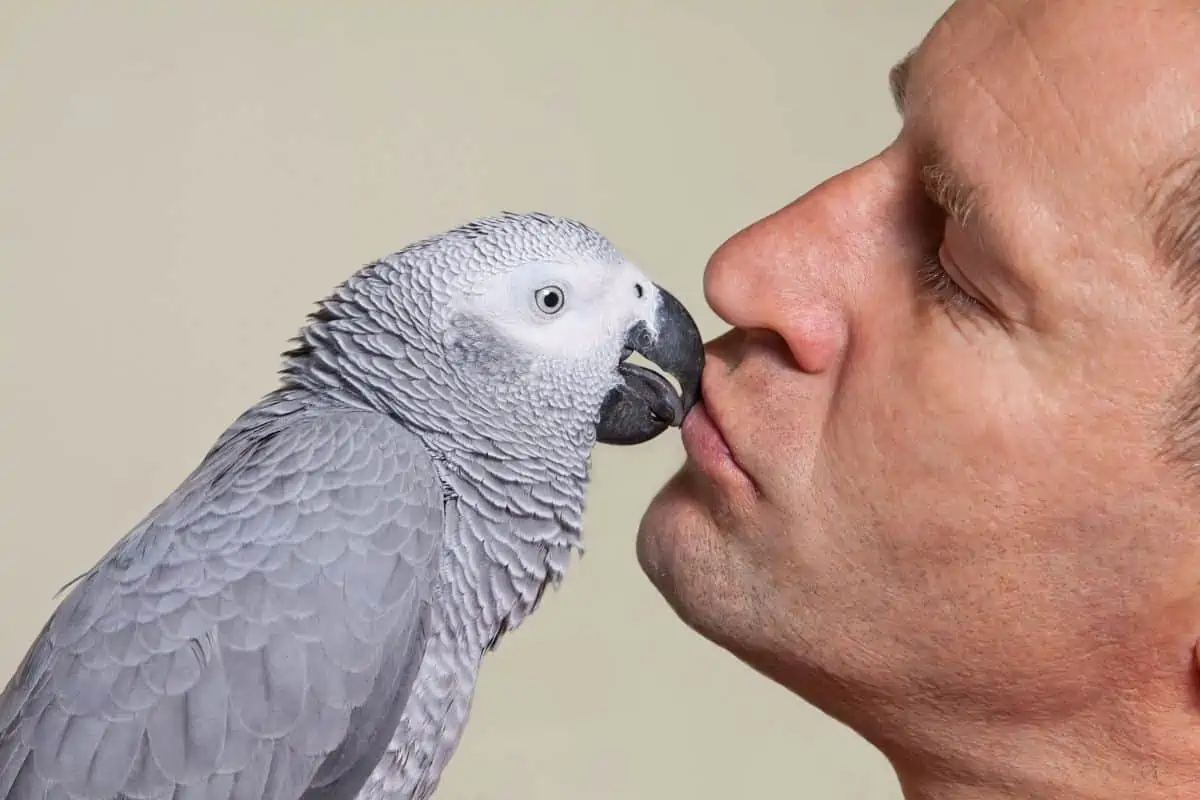
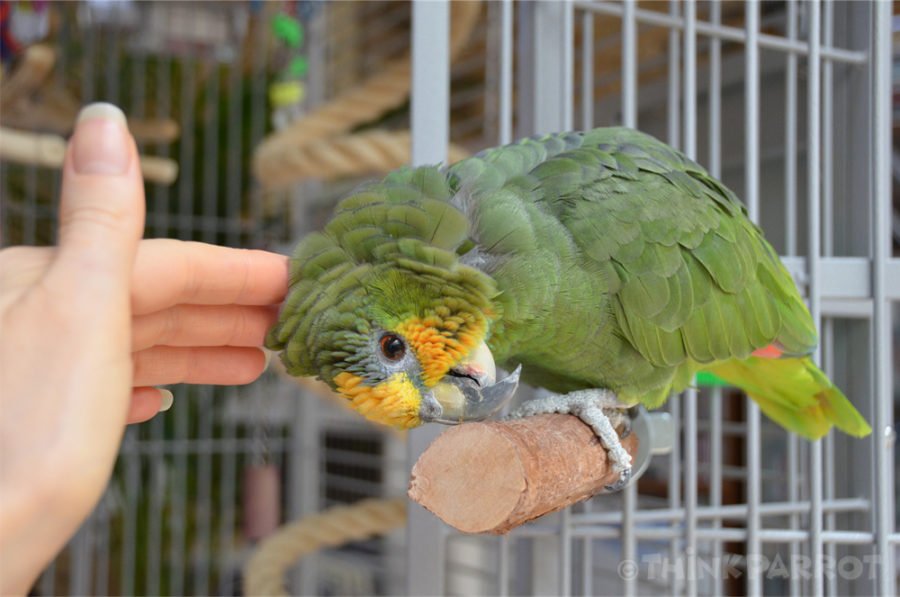
1. READ YOUR PARROTS BODY LANGUAGE:
Learn to read your bird’s body language because that is the only way your parrot can communicate with you. When you can tell whether your bird is getting frustrated or turning aggressive, then you can quickly change your behavior to prevent a painful bird bite.
It’s very similar to some of the techniques we use when dealing with young children who have temper tantrums. We visually watch for frustration and then distract them or redirect their feelings before they get out of hand. When you learn to read bird body language, you’ll be able to spot potential aggression and back off.
Agitated or scared birds can’t tell us how they feel with words, but they always show us how they feel. But, like most animals, birds have “fight or flight” responses as a way to keep them safe.
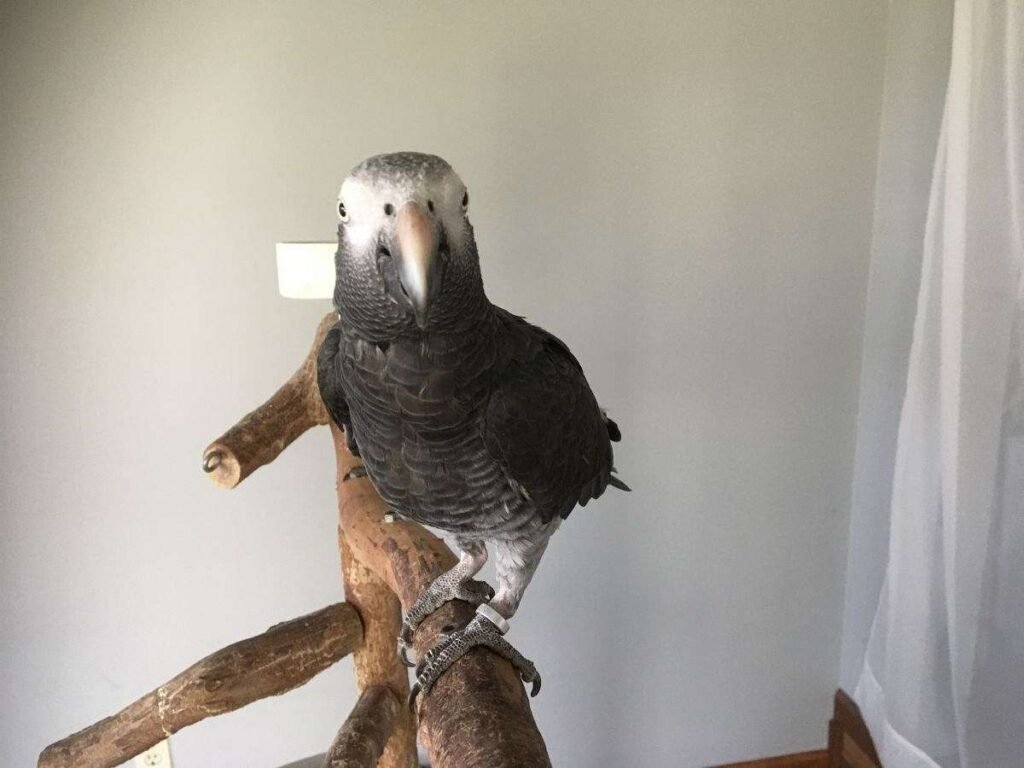
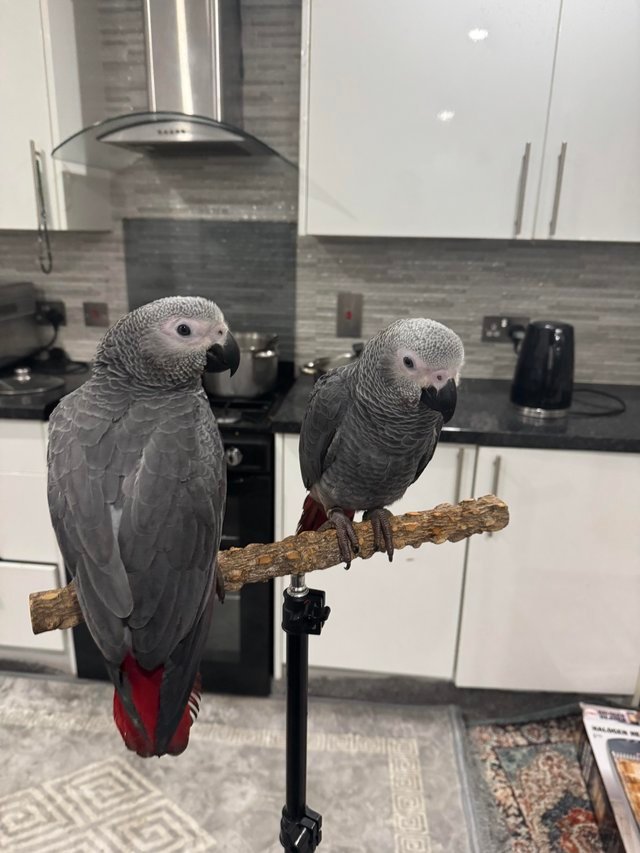
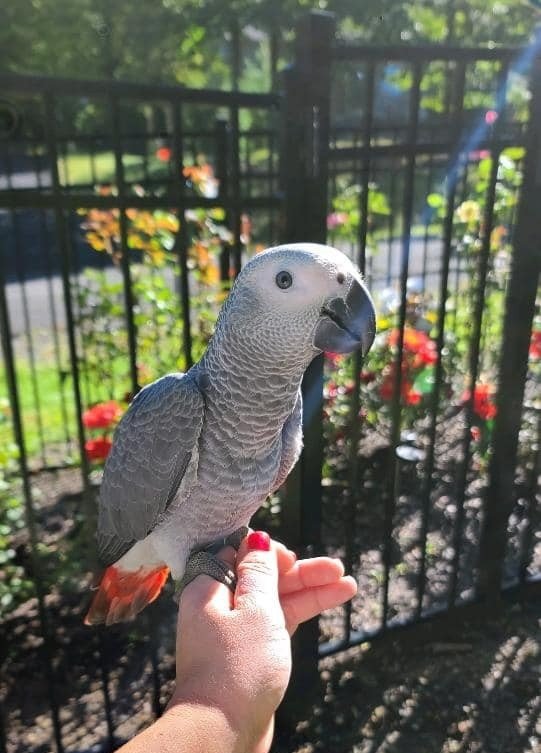
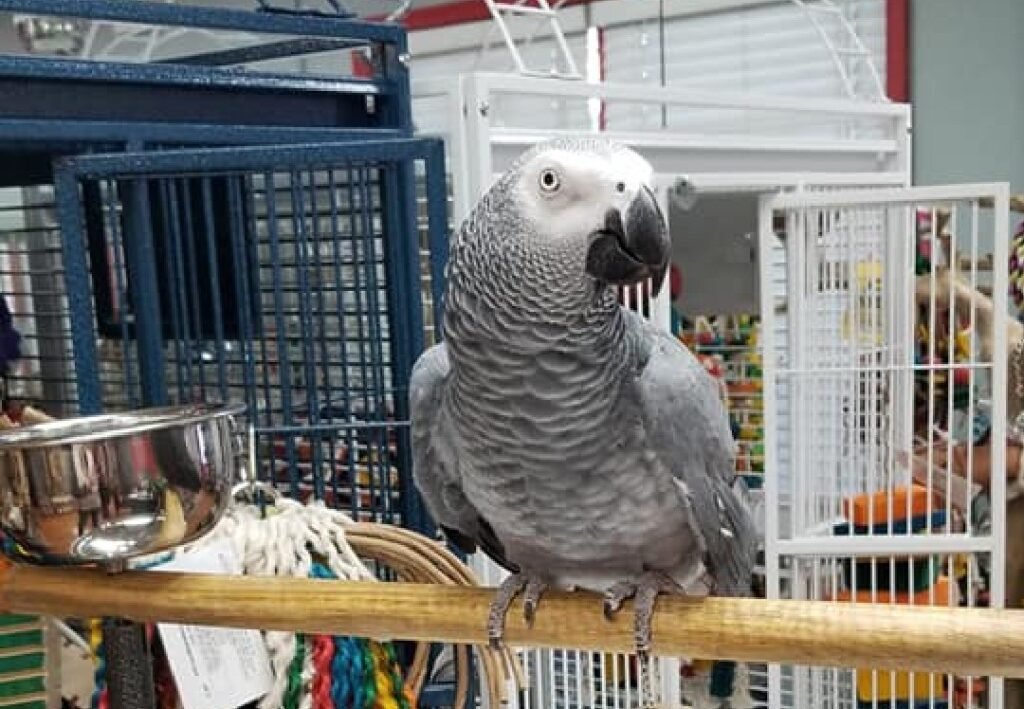
You can learn to quickly gauge your bird’s mood by recognizing common bird body language. Usually, there are a series of cues, including:
- Eye Pinning: An agitated bird may pin its eyes. This is when a bird quickly expands and contracts the pupils of its eyes.
- Feather Ruffling
- Lunging or leaning forward
- Hissing
- Head-bobbing
Parrots for Sale
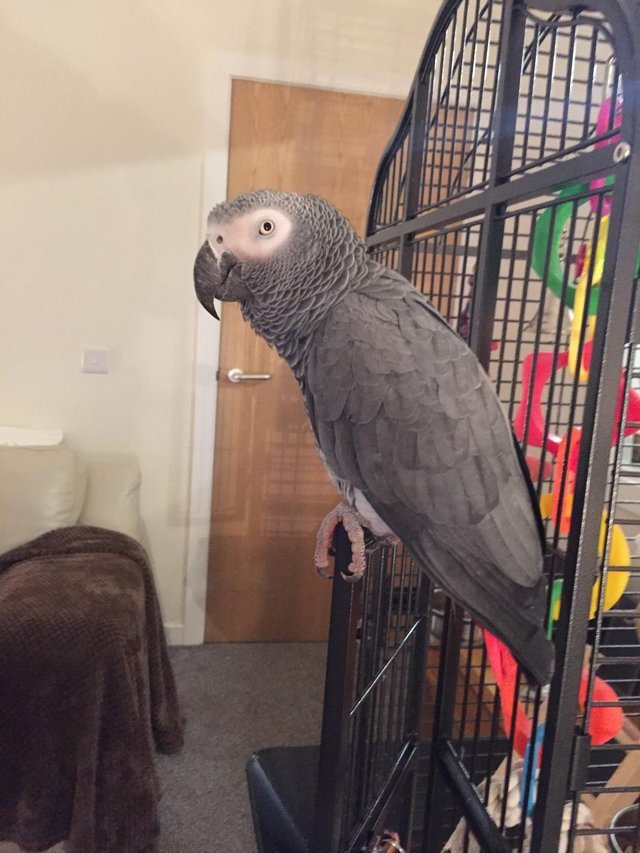
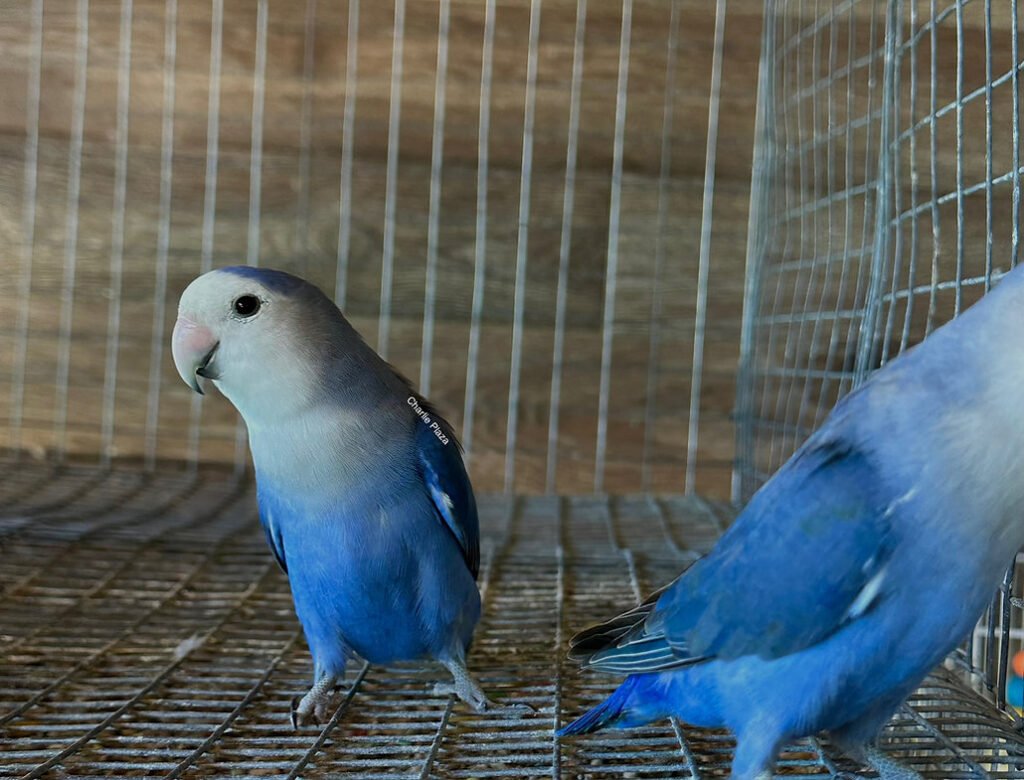
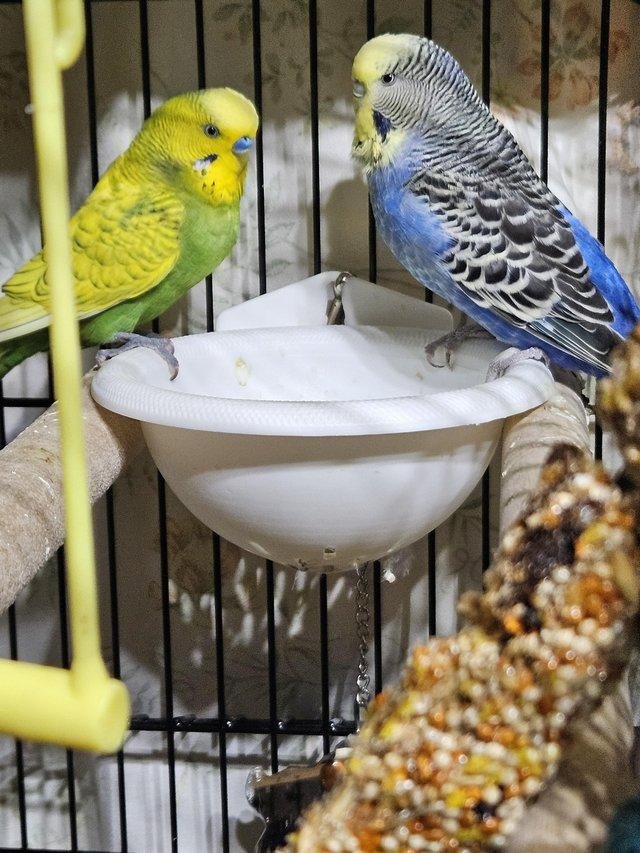
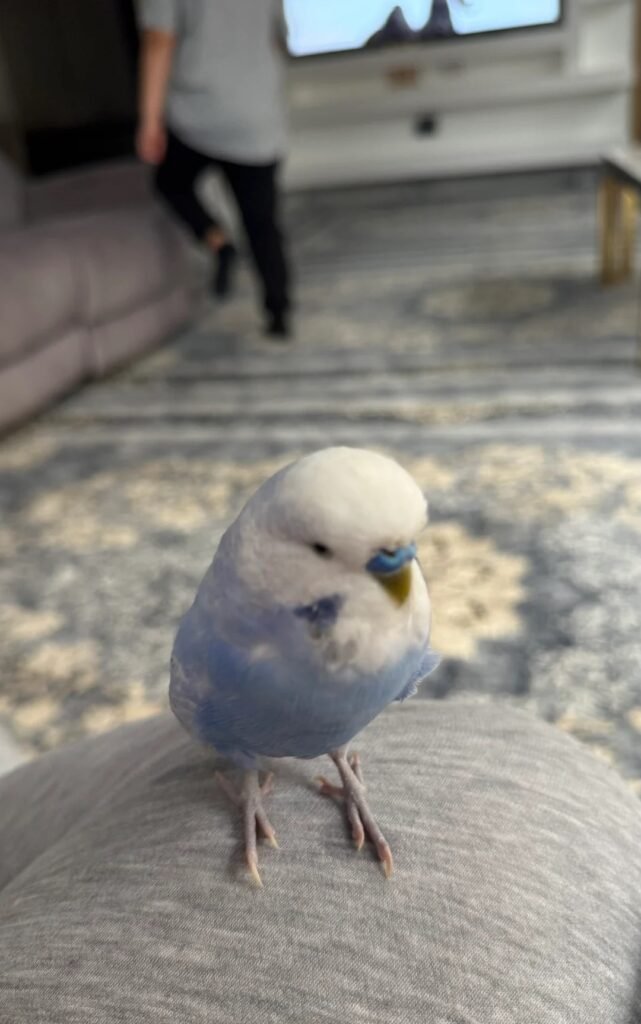
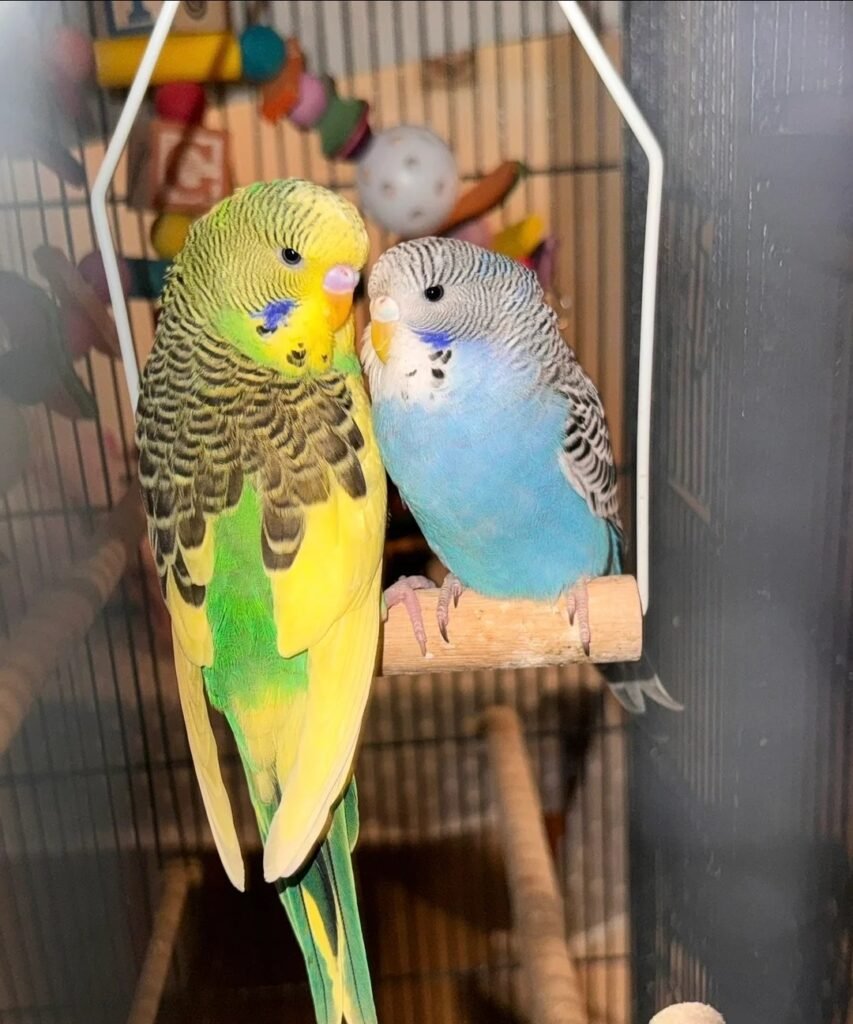
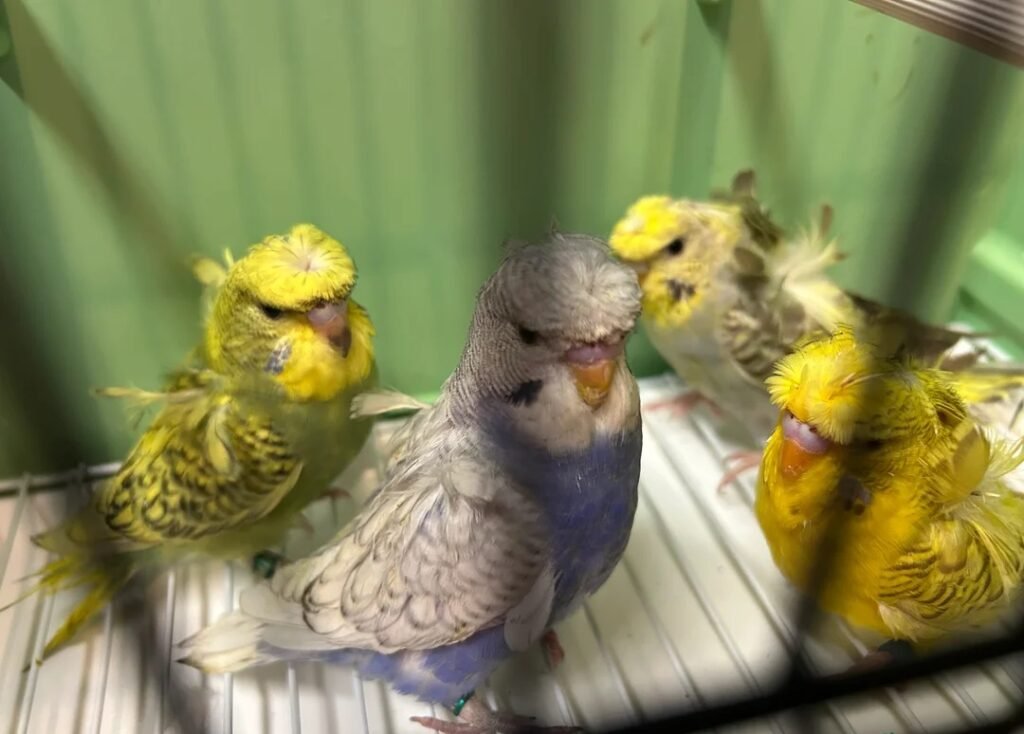
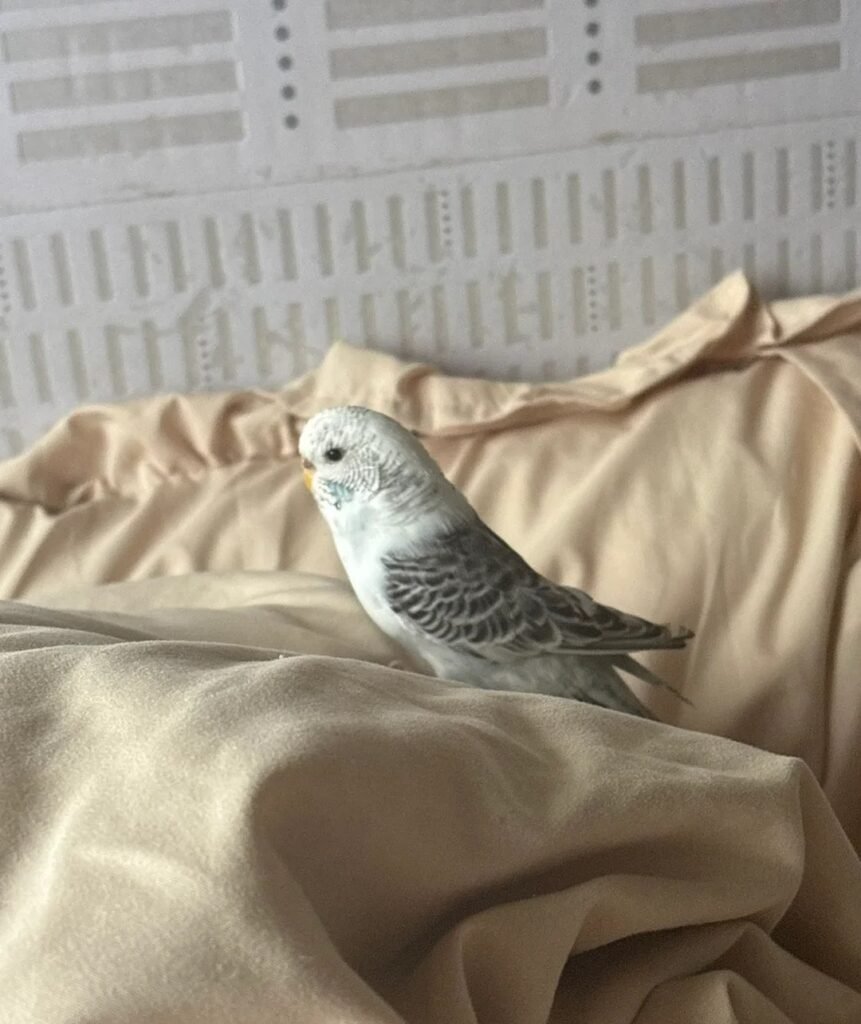
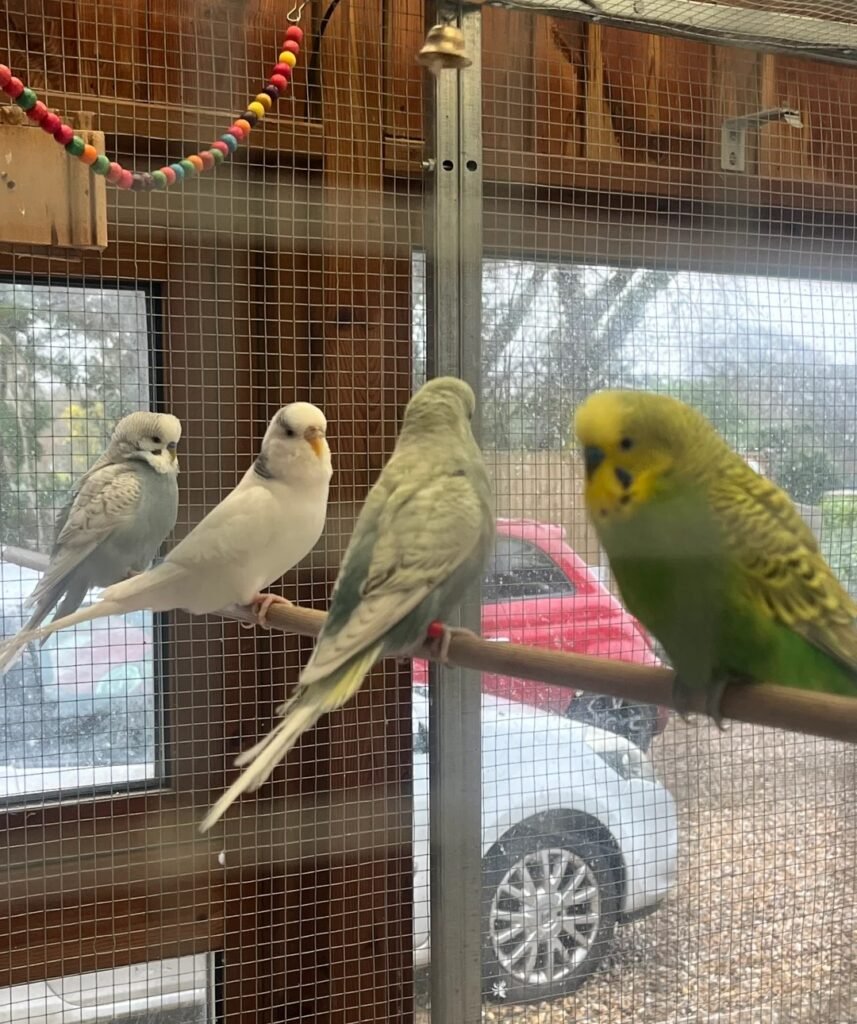
2. DISTRACT:
Create a habit of quickly distracting an agitated or scared bird. Take a few moments to generate a list of when your bird usually bites. Once you know what type of situations provoke a bird bite, you can anticipate a potential behavior problem and proactively plan on how to avoid it.
If your bird bites when you are holding it, get into the habit of gently jiggling your hand as soon as you see a bite coming on. Your bird will have to immediately focus on staying balanced. This method shifts your bird’s attention from biting to balancing.
Likewise, if your bird bites when you touch a particular body part, back off. You may want to examine the area though just to rule out whether your bird has an injury there.
Another technique to safely distract your biting bird is by having a favorite treat ready when you’re asking your bird to do something that’s undesirable. For instance, say that your bird bites during transitions, like when you put it back in its cage. Create a distraction of putting a favored treat in its bowl or giving it a treat when it steps onto a perch inside the cage.
3. STICK TRAINING:
Stick training is another simple way for you (or even a pet sitter) to avoid bird bites. I love stick training because it is especially useful during the hormonal season when your bird really can’t help itself.
Teach your bird to step up onto a stick. One of my favorite bird products is The Percher by Caitec. Teach your bird to step up on the T-perch part of this device using clicker training techniques. These positive and enjoyable bird training methods literally train your bird what to do as opposed to what not to do.
Every time that your bird steps up on the stick, you quickly reward it in the form of a favorite treat or praise.
Hormone-related bites are very common in pet birds. You can check out some parrot husbandry strategies that will help you prevent excessive hormonal behavior in your pet bird here. I’ve written an entire bird hormone series because it is such a prevalent problem with our exotic birds.
4. DISCOVER THE ROOT CAUSE
I’ve suggested this over and over again. When you truly understand why your bird is biting you can take educated actions to end this problematic behavior.
Think of biting as your bird’s way of communicating with you. Discover what your bird is getting out of biting you or other people in your household. Most birds are not inherently aggressive. It goes back to the common reasons why birds bite in the first place.
- Escape something undesired
- Get something it wants
5. NEW SKILL TRAINING:
If you’ve unintentionally trained your bird to bite, just fess up to the error of your ways and retrain. Don’t worry, accidental training happens all the time.
While it may take a while for your bird to understand that biting doesn’t get the same old reaction it is used to, with dedication you can retrain a biting bird surprisingly fast.
Your bird is a flock animal. It wants to fit in with your home flock. Wild Birds go through rigorous training from both their parents and flock mates to learn expected behaviors within their society.
Your pet bird needs intensive training, as well. As I mentioned earlier, Clicker Training For Birds makes training your bird really fun! and it strengthens your bond with your feathered friend.
Most people don’t realize that when they adopt a new pet bird they have to train their bird what is expected in their household. Your household actually becomes the bird’s flock.
Clicker training and treats communicate to your bird exactly what behavior you want to see more of. When you get into the habit of being mindful about what you’re reinforcing, you inherently stop reinforcing the behaviors that you don’t want to see any more.
One of the coolest things about clicker training your bird is that you learn to immediately reinforce the behaviors that you want to see more of. It’s almost like a mind shift. Instead of redirecting unwanted behaviors all the time you’ll find yourself noticing the behaviors your bird does that you like!
The more proficient you become in rewarding the behaviors you want to see more of while ignoring the behaviors that upset you, the more your bird will behave in a way that is fun to be around. Now, you and your bird are really communicating with each other.
Clicker training is multi-sensory. Your bird sees and hears the clicker, tastes the treat, and smells the treat. It gets way more sensory satisfaction from positive training than it does from being a biting parrot.
Why does my bird bite me when I try to hold him?
You need to plan your reaction when the inevitable happens. Prevention is the bird training method of choice. Learn the O-P-A-L-S method for managing a biting bird.