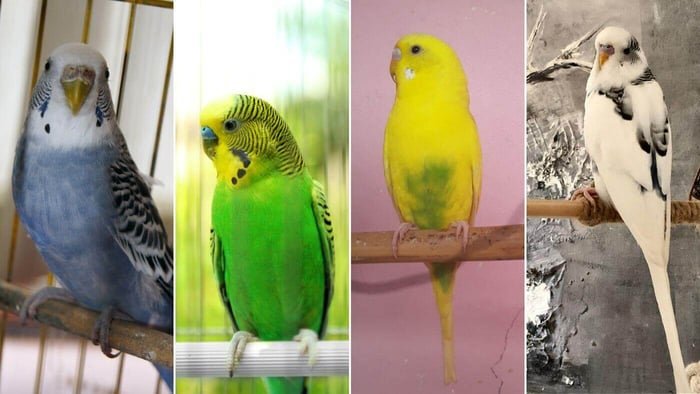
Budgies As Pets: The Perfect First Parrot for Any Home
Budgies, also known as parakeet birds, are a great choice for beginner pets. These budgies as pets are adaptable to a wide range of environments, not too demanding in their day-to-day care, and can be trained to be handled making them ideal for first time pet parents. Some budgies can imitate repeated words, phrases, or chattering sounds, and all budgies will chirp and whistle.
Most families will find that budgie birds are a pleasant addition to their home but as with any pet, adult supervision is needed when kids are interacting with them. Learn everything you need to know about budgie bird care, including supplies, food, grooming, and more.
Budgie Characteristics
Average Lifespan | 10–12 years with proper care |
Average Adult Size | 7” long, from head to end of tail |
Diet | Granivorous (grain-eaters) |
Minimum Habitat Size | 18” W x 18” D x 18” H |
Difficulty of Care | Beginner |
Cages for Sale
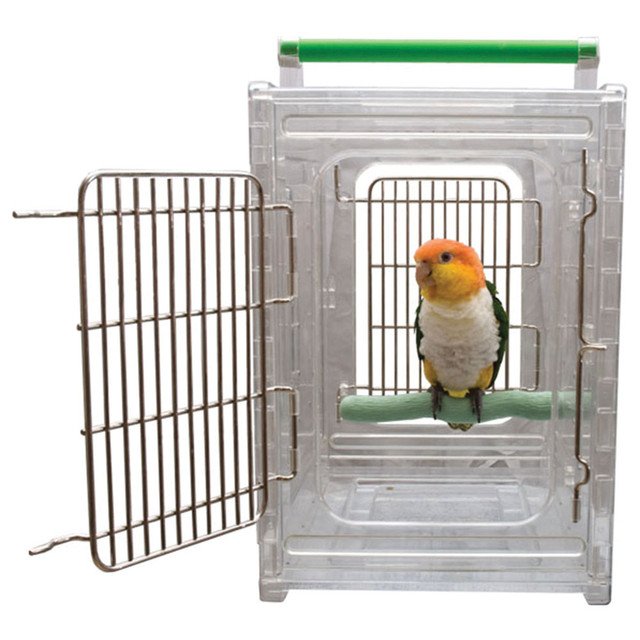
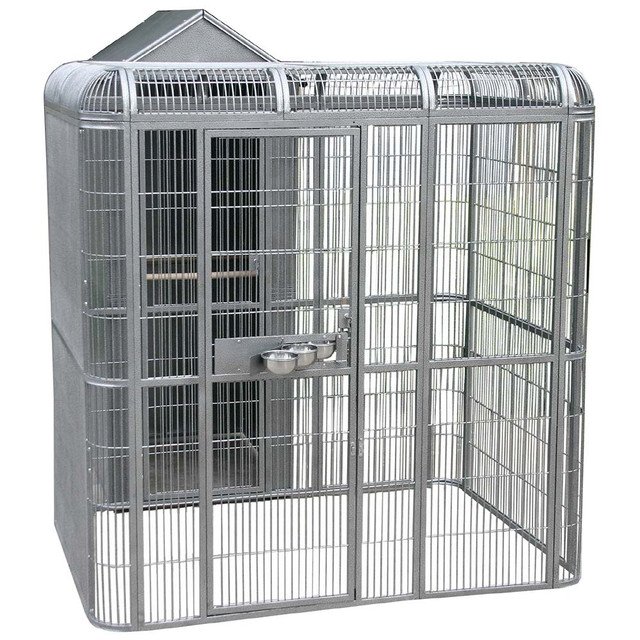
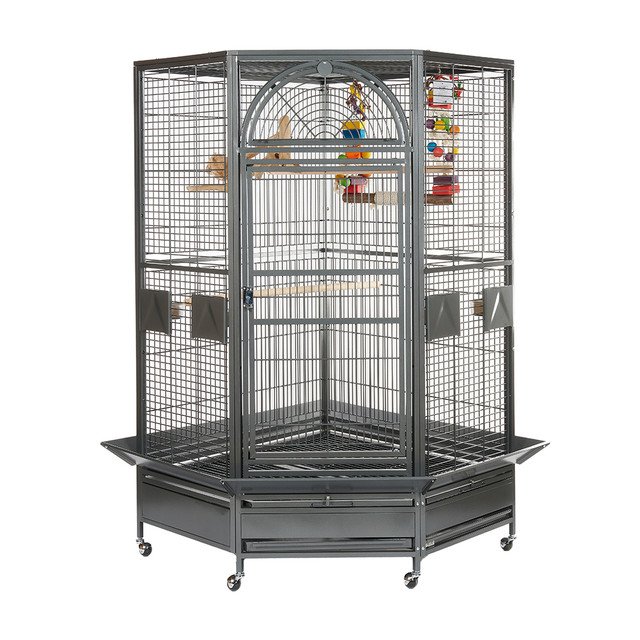
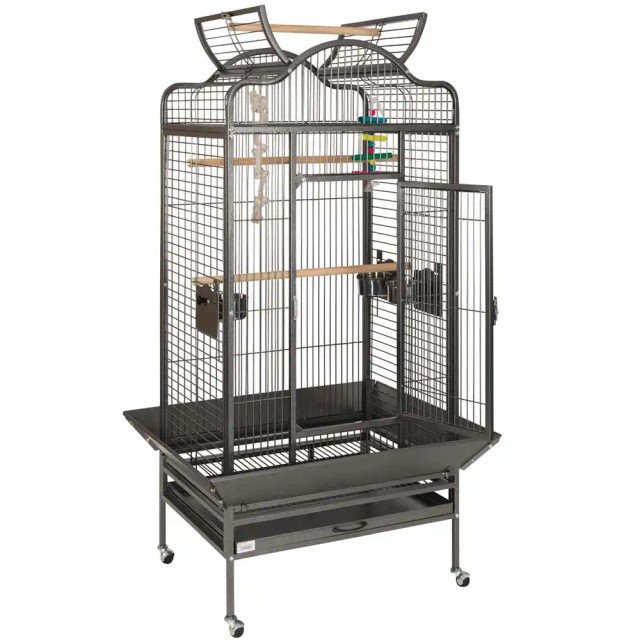
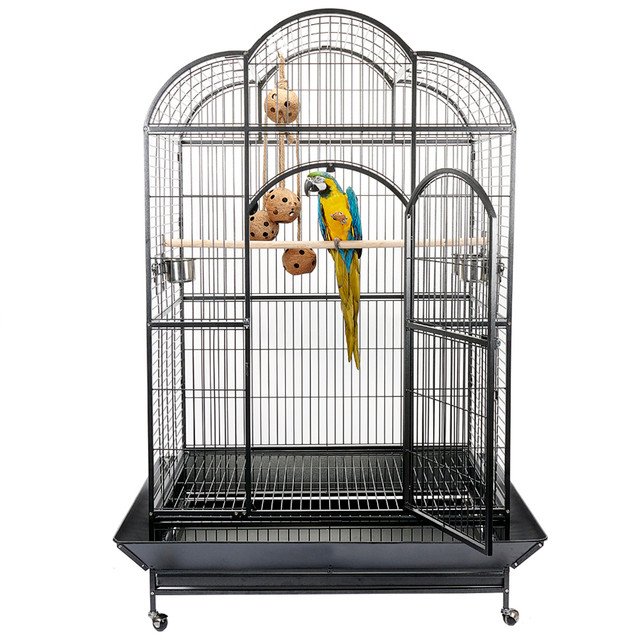
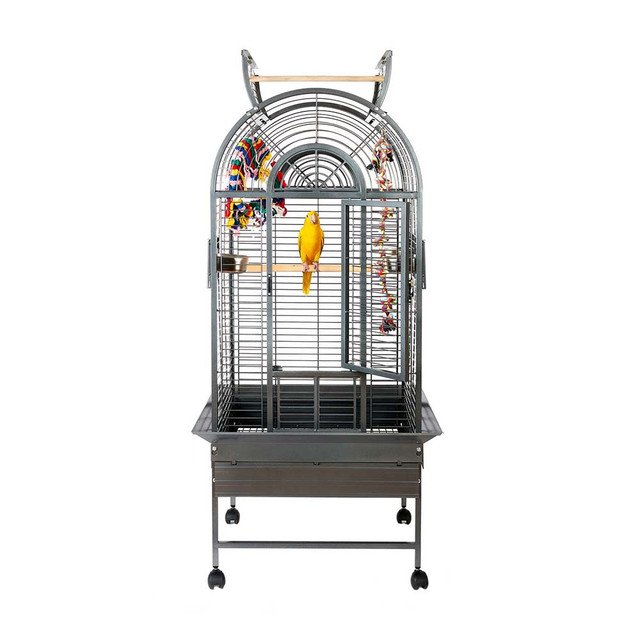
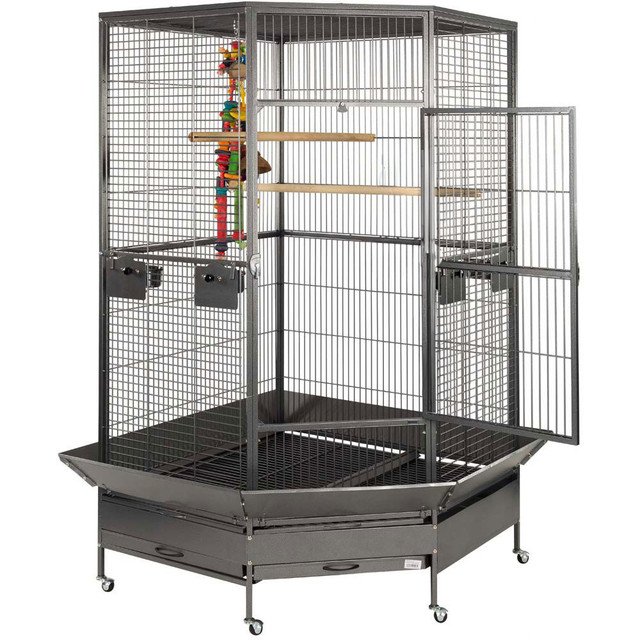
Budgie Cages
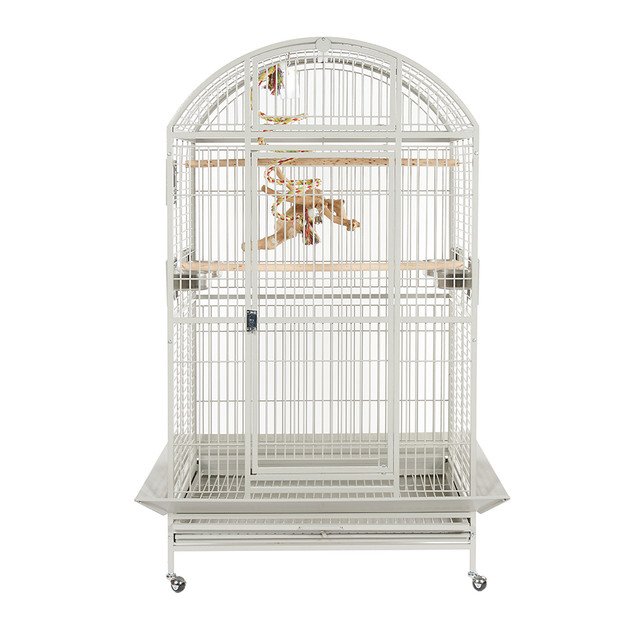
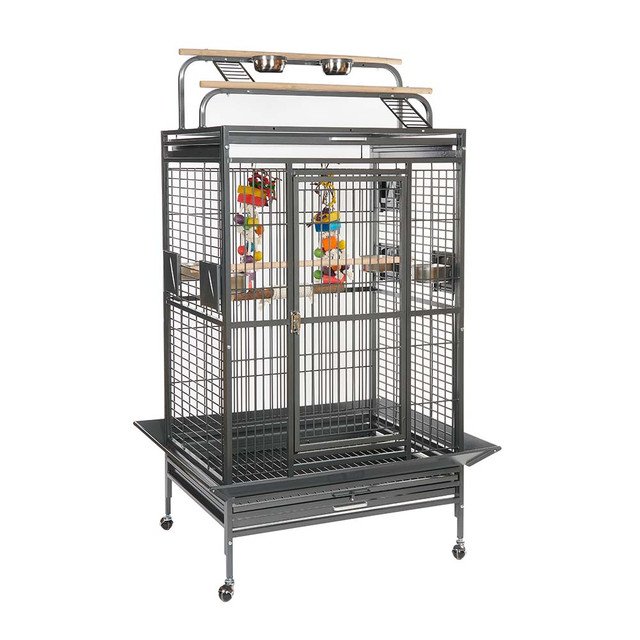
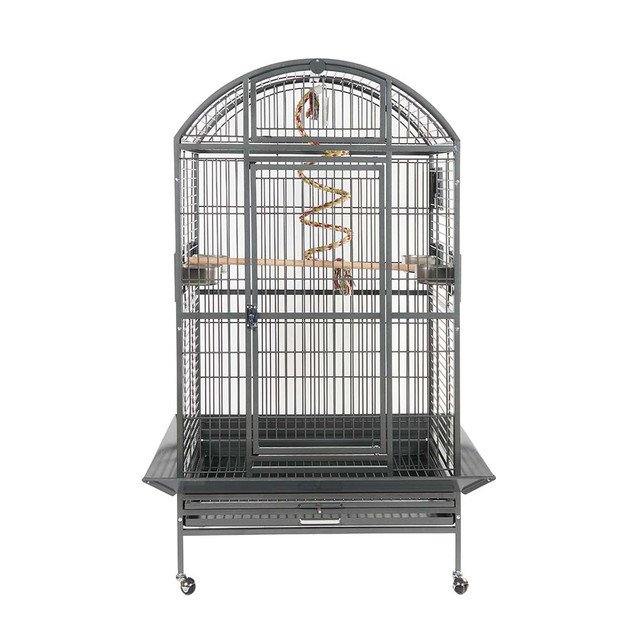
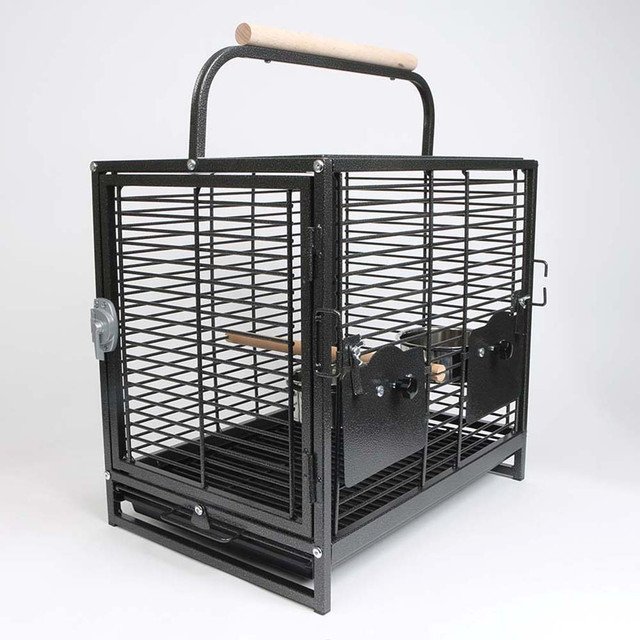
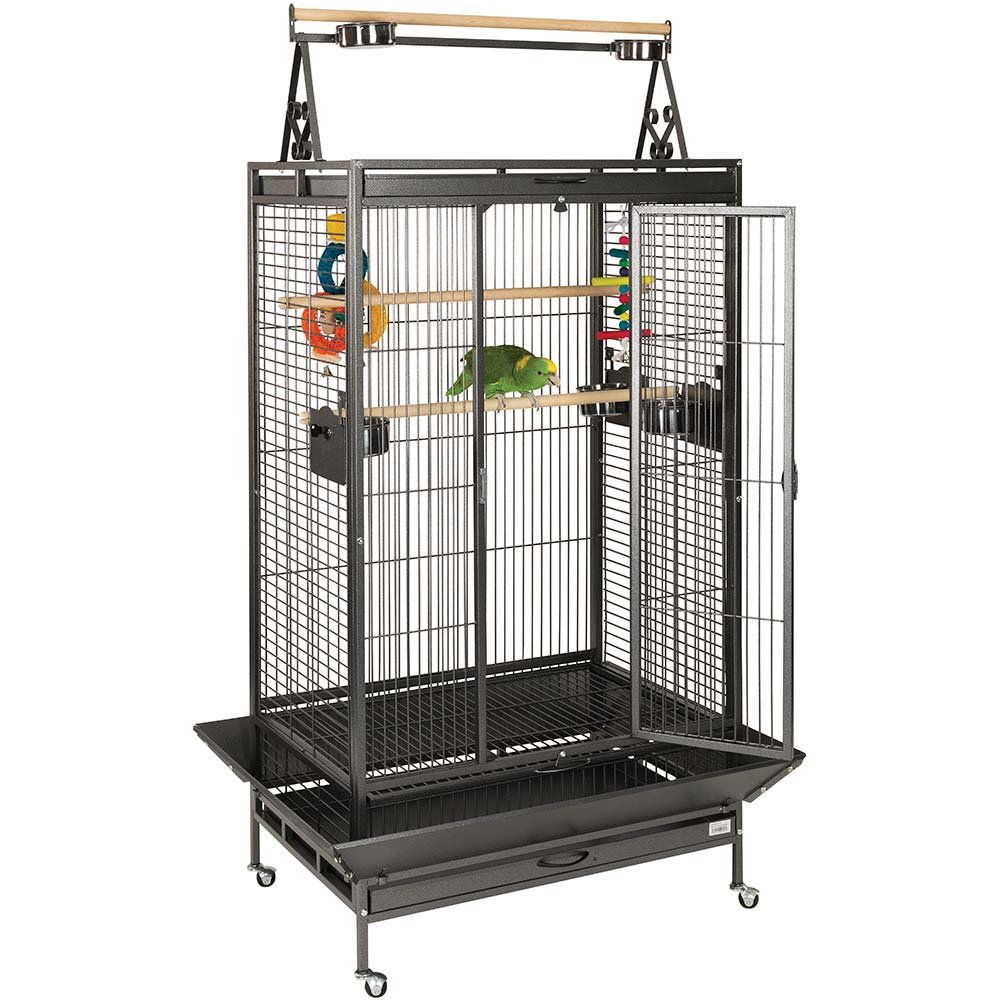
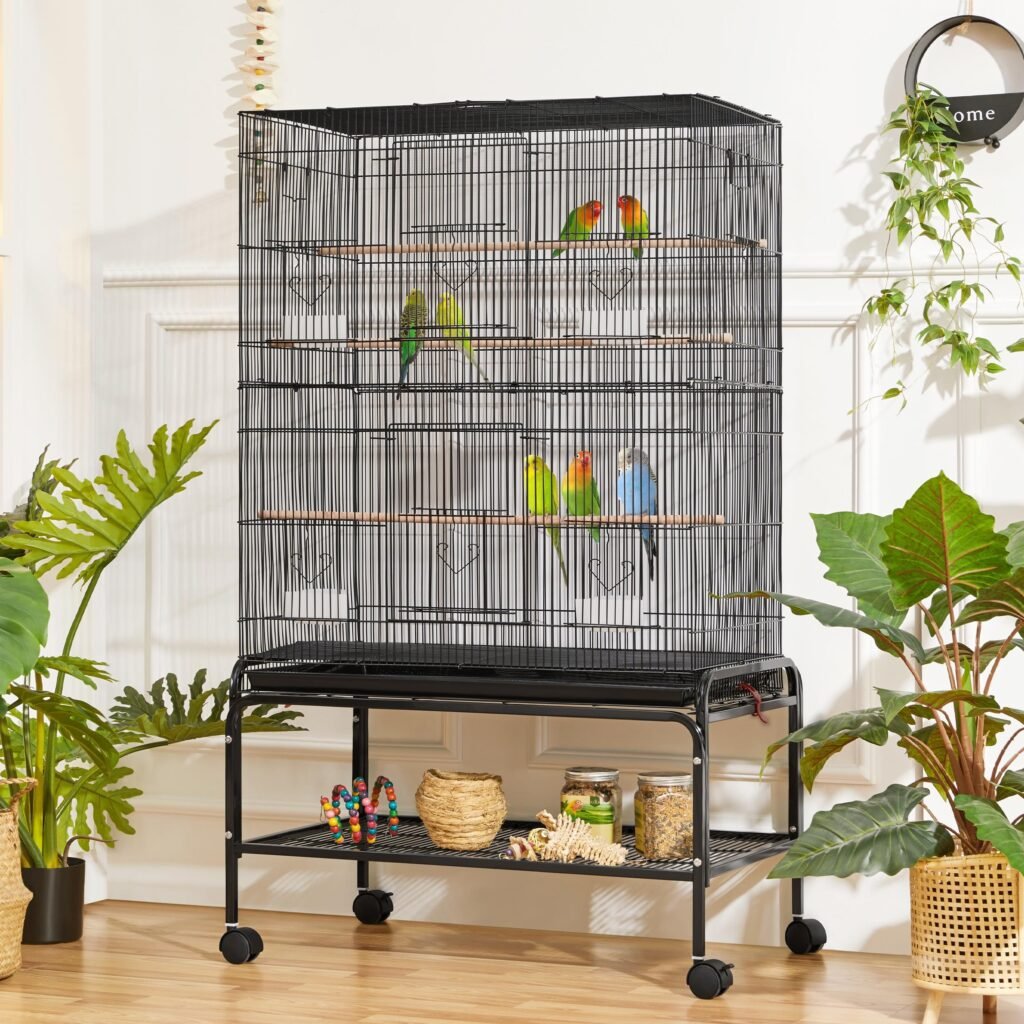
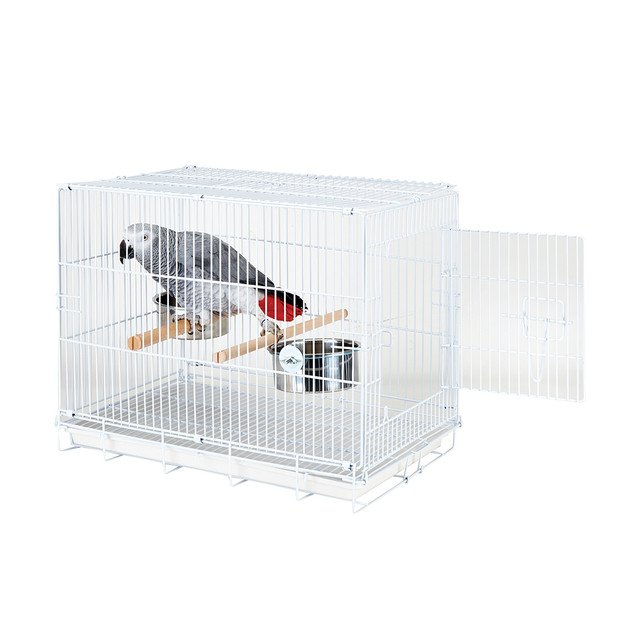
When selecting a budgie cage an ideal enclosure for an individual budgie is 18x18x18 inches. When housing two budgies together, the budgie cage should measure 30x18x18 inches.
For more than two budgies, the cage should measure 32x18x20 inches. The bars should be spaced ½-inch apart or smaller.
Bedding
The bottom of your budgie’s cage should be lined with paper for daily cleaning, and droppings should be monitored for signs of illness.
Several different types of budgie bedding can be used that are inexpensive and easily accessible including:
Newspaper
Paper towels
Plain paper packaging
Brown paper bags
Butcher paper
Avoid using glossy printed ads as the ink may be toxic if ingested by your budgie bird. Also avoid using pelleted paper or crushed corn cob bedding. These products will hold moisture that may promote fungal growth in warm environments. They also may hide signs of illness that would otherwise be observed when the droppings have an increased moisture content.
Feeding Dishes
When choosing a feeding dish for your budgie, options may include:
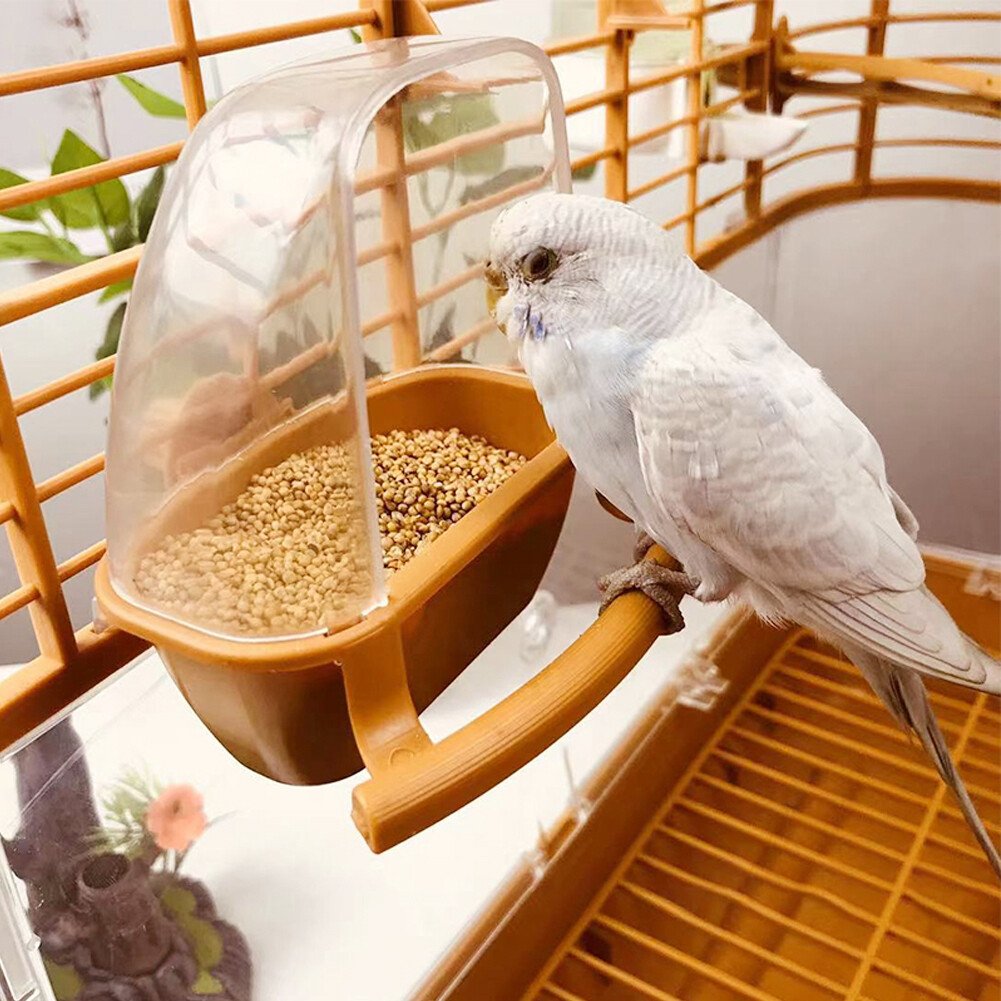
A plastic trough with hanging hooks
A stainless-steel bowl with a clamp attachment to hang from the cage
A ceramic crock style that sits on the cage floor
Dry food, fresh food, and water should be offered in separate dishes, and water dishes should be large enough to allow the budgie to bathe.
If more than one budgie is kept in the habitat, each budgie should have their own feeding station to discourage competition over food. Any worn or damaged dishes should be replaced with new ones to prevent injury.
Wash and dry these dishes daily.
Budgie Toys
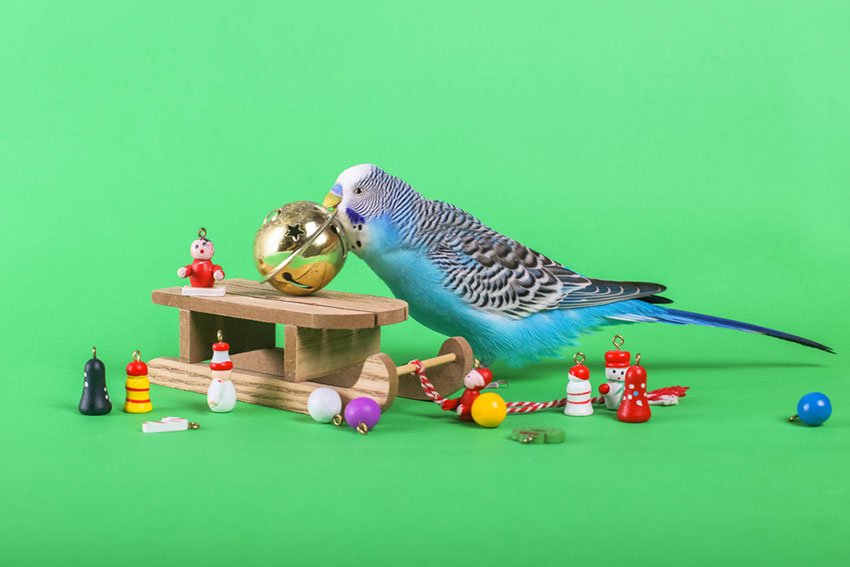
Budgies should have an assortment of toys for enrichment, entertainment, and exercise. These can be made from either firm plastic, wood, metal, fabric, or paper such as cardboard. Options include:
A bird-safe mirror
Swings
Ladder
Foraging toys
Rotating your budgie’s toys weekly and replacing them monthly will help prevent boredom. Homemade toys and cages should not be used since common building supplies may be toxic to birds when ingested.
Budgie toys can be made from soft wood, paper, cardboard, or hard plastic without small pieces that can be removed and swallowed.
Budgie Perches
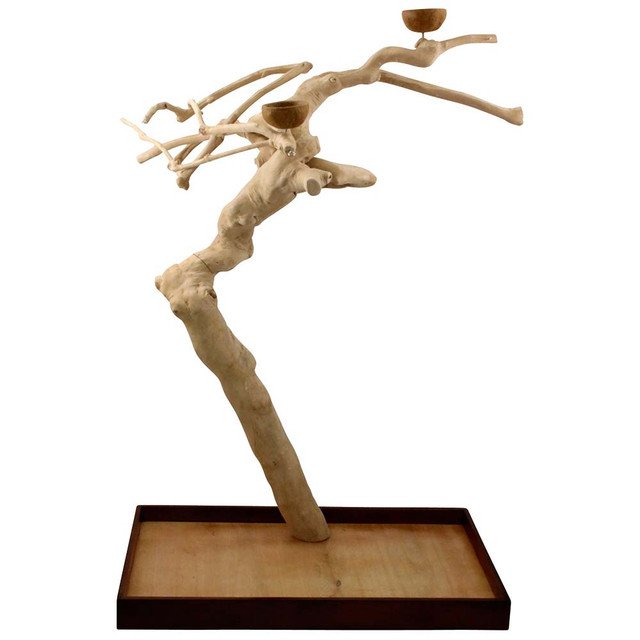
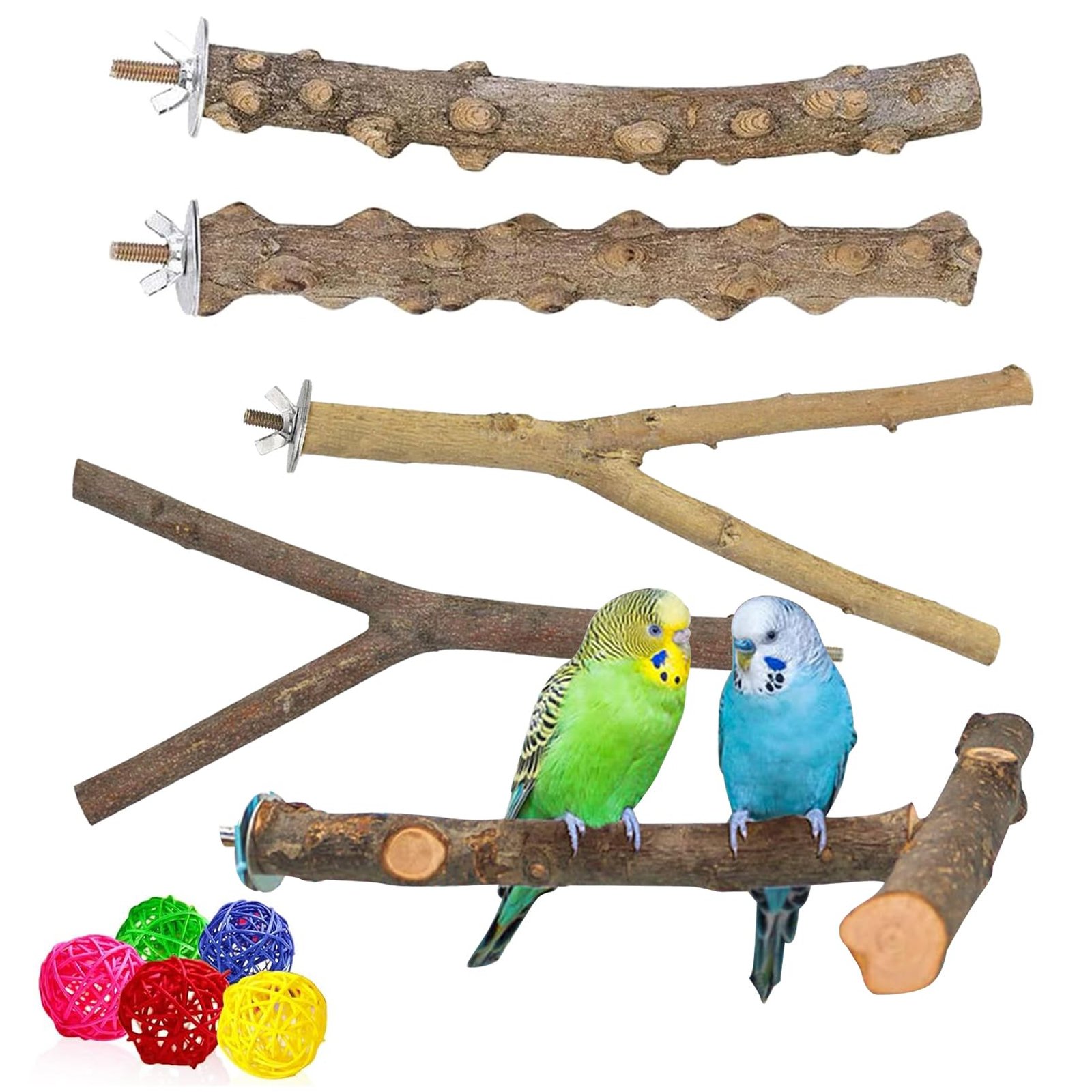
Perches for a budgie should be offered in an assortment of sizes, heights, textures, and materials (i.e., rope). This will ensure your budgie can exercise their feet, which may help prevent sores.
Budgie perches should be a minimum of 4 inches long and 3/8 inch in diameter. Wider perches will limit proper gripping, which can lead to falls and other serious injuries.
To prevent bird droppings from soiling their water or food bowls, avoid placing perches directly above the budgie’s feeding bowls. Be sure to replace any worn or damaged perches for safety reasons.
Budgie Lighting
To supplement UV exposure when natural sunlight is limited, a full-spectrum UV light designed for birds should be used 10–12 hours per day.
Budgie Diet and Feeding Tips
Budgie Bird Food and Water
A high-quality pelleted diet offers balanced nutrition and should make up 60–70% of a budgie’s diet. Recommended pelleted feed includes:
Budgies should have constant access to fresh, clean water that is changed daily. Filtered tap water or bottled spring water is preferred.
Budgie Treats
Treats, vegetables, and fruits should represent about 30–40% of your budgie’s diet in total, with no more than 10% of the diet given as treats.
Budgie treats can include fortified seeds and millet sprays.
Fruits and vegetables may include:
Berries
Melons
Papaya
Broccoli
Sweet potatoes
Pea pods
Bell peppers
Supplements for a Pet Budgie
Mineral blocks or cuttle bones should be provided as a source of calcium and trace minerals, which are necessary for pet budgies to maintain:
Bones
Beaks
Nails
Feathers
Foods to Avoid
Budgie birds should never be given:
Avocado
Chocolate
Caffeine
Alcohol
Fruit pits and seeds should be removed before feeding to budgies
Foods that are high in salt, fat, and sugar
Sugar-free food and candy (may contain xylitol)
Garlic and onion seasonings and ingredients
NOTE: non-stick cookware should not be used around birds since an odorless, colorless toxic gas is emitted when these products are heated.
Budgie Bird Care
Feeding
Daily care for budgies include providing one day’s portion of new food everyday and discarding any leftovers from the previous day. Fresh produce may be offered but should be discarded within a few hours to prevent spoilage.
Treats for budgies may be offered daily or as a reward for desired behavior when training.
Grooming
Budgies may enjoy an occasional bath by dipping in a bowl of water. For birds that do not bathe on their own, a mist water bottle sprayer can be used to help them bathe a few times each week.
Healthy budgies should not need their beak trimmed as daily use will maintain them properly.
Routine nail trimming allows for more comfortable handling and prevents snagging on fabrics.
Routine wing trimming is encouraged to prevent escape and injury when flying. Wing trimming will need to be repeated every few months as a bird’s flight feathers are naturally replaced.


Handling Considerations for Budgies
Budgies that are hand-raised by human parents are accustomed to being handled without stress. They may approach pet parents on their own and will eat when food is hand offered.
Birds that have been raised by their bird parents and not trained for human handling must be approached cautiously to reduce stress and injury.
During handling, wrapping a small hand towel around the bird can help protect both the bird and the handler from injury and reduce the bird’s fear of an approaching hand. This is especially useful when administering medication like eye drops.
Veterinary Care for Budgies
An annual physical examination by a board-certified avian or exotic animal practitioner is recommended.
During the exam, the veterinarian may perform a fecal test to look for intestinal parasites and bacteria.
Due to the small patient size, annual blood testing is not routinely done.
Signs of a Healthy Budgie
Signs of a healthy budgie include:
Ideal body condition (as recommended by your veterinarian for your unique bird)
Smooth, brightly colored feathers
Clear, bright eyes
No nasal discharge or discoloration above the nares
Smooth skin without any cracked, swollen, or thickened areas
No sticky material or discoloration around the vent
No visible swellings
Formed droppings of green-brown color with a small amount of white and minimal wetness
Exercise
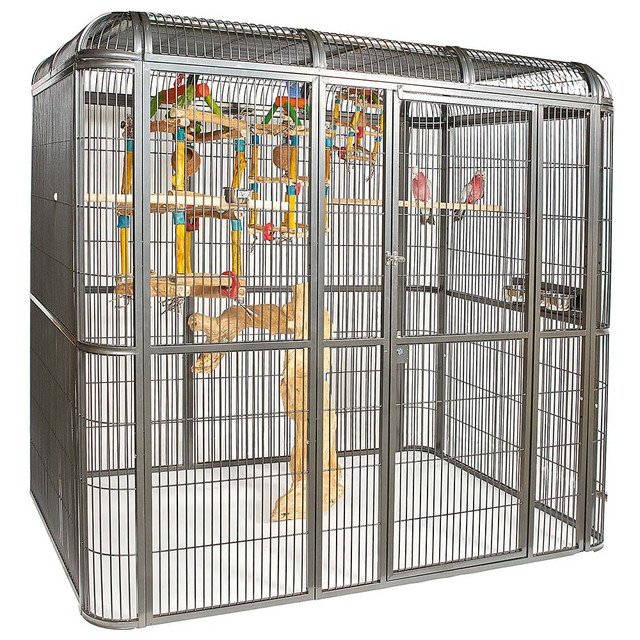
Allowing unrestricted room for flapping their wings is an ideal exercise for budgies. This may occur with supervised time out of the cage or in an enclosed flight cage or aviary.
Toys that encourage climbing, foraging, and safe chewing behavior should also be provided. An hour of supervised time outside of the cage daily helps provide enrichment and social interaction.
Cleaning Your Budgie’s Habitat
Daily spot cleaning should be performed to remove soilage and discarded food. Food and water bowls should be washed daily.
The materials lining the cage should be changed weekly for a solo budgie or more frequently for multiple budgies.
A 3% bleach solution or a pet-safe non-aerosolized habitat cleaner should be used according to manufacturer’s recommendations. All surfaces should be completely rinsed and dried before the enclosure is reassembled.
Companionship
When it comes to companionship, budgies are flock birds that enjoy the company of other birds. The ideal number of birds to house together is related to how much attention, time, and resources you have as a pet parent.
Solo budgies will likely require more personal attention from you to meet their socialization needs, while groups housed together have less need for human interaction.
When to Call a Veterinarian
Symptoms of illness may include:
Watery, loose, or discolored droppings
Fecal material sticking to the feathers around the vent
Sneezing
Discolored feathers over the nares
Tail bobbing
Open mouth breathing
Overgrown beak or nails
Changes to the skin of the feet, legs, and face
Swellings on the body
Broken, missing, or bleeding feathers
Growths on the skin
Seizures
Weakness
Lack of balance
Common Illnesses in Budgies
Tumors
Goiters
Low vitamin A (pressure sores on feet, overgrown beak, fragile feathers)
Scaly leg and face mites
Obesity
Liver disease
Parasites
Foot disorders